The production of bricks requires raw materials and energy. At Deppe, we therefore work continuously to reduce energy consumption and production-related CO₂ emissions, make the fullest possible use of raw materials and keep materials in circulation.
On this page, we show what we are already doing in concrete terms: from our energy management system in accordance with DIN EN ISO 50001 and heat recovery to on-site electricity generation and the reuse of production residues and reclaimed bricks. Information on the environmental impacts of our products is also provided in the independently verified Environmental Product Declaration (EPD).
Facts, targets and measures in detail
Our 2024 Sustainability Report(German) provides a comprehensive overview of our energy and greenhouse gas balance, our use of resources, and our targets and measures.
Made for a long life
Firing our Deppe bricks is energy-intensive. The bricks are fired in the kiln at temperatures above 1,000 °C. This requires energy. But this initial energy input produces a durable, low-maintenance product. Brick buildings are built for generations.
Cavity wall construction combines a solid load-bearing structure with thermal insulation and a durable, weather-resistant facing brick outer leaf. Exposed brickwork is robust and requires little maintenance.
The key consideration in this context is the life cycle. A building constructed with brick cavity walls can have a service life of many decades – and sometimes even centuries. And if a brick building is eventually demolished, this does not necessarily mean the end of the road for the bricks. Bricks that are carefully separated during demolition can be reused. Crushed brick can be processed and used, among other things, in road and path construction, as a growing medium or as a secondary raw material for new building materials.
Progress as a matter of course
For many years, we have been working consistently to further reduce our production-related CO₂ emissions. We generate a large proportion of our electricity ourselves using a micro gas turbine and a photovoltaic system. Waste heat from the kiln and the micro gas turbine is used in our production process.
Since the beginning of 2024, a flue-gas heat recovery system has used heat exchangers to recover heat from the exhaust gas stream for use in our preheaters and dryers. Since spring 2024, our packaging system has been powered by electricity rather than natural gas.
We are currently planning our own wind turbine at our Lemke site. This is intended to enable us to generate a further proportion of our electricity requirements directly on site in the future. The project is currently in the planning and approval phase. At the same time, we are examining further technical options for reducing natural gas consumption in our production processes.
Measurable information instead of vague claims
DIN EN ISO 50001 certification: We have implemented an energy management system that meets the requirements of DIN EN ISO 50001:2018. This enables us to systematically record and analyse our energy performance and continuously work to improve it. The corresponding certificate is available here as a download.
Environmental Product Declaration (EPD): Our latest Environmental Product Declaration / EPD was published by the Institut Bauen und Umwelt (IBU) in spring 2023. It is an independently verified and registered document providing transparent and comparable information on the environmental impacts of facing bricks and clinker bricks produced by member companies of the German Brick and Tile Industry Association (Bundesverband der Deutschen Ziegelindustrie e.V.).
Eleven member companies, including Deppe, provided 2021 data for this declaration. EPDs provide data that enable architects and clients to compare the environmental impacts of different construction methods as early as the planning stage. They provide measurable information for assessing the environmental performance of buildings and are therefore important elements in building sustainability certification.
Brick can have more than one life
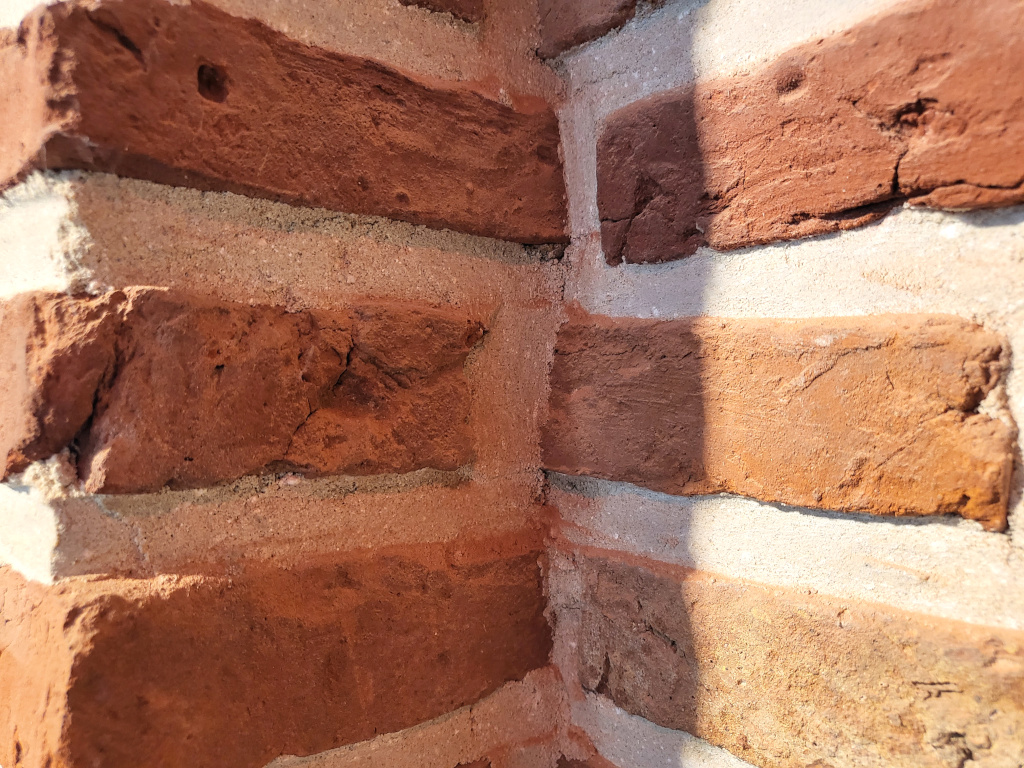
Reclaimed bricks are a sought-after building material. If old bricks are carefully separated during demolition, they can be reused directly in new buildings or renovation projects.
Where direct reuse is not possible, bricks can be processed for use in road, path and sports-ground construction – the red colour of tennis courts is no coincidence – or as a horticultural substrate, allowing the material to remain in circulation. You can find out more here.
Nothing goes to waste: production material stays in the cycle
At Deppe, 100 per cent of the clay and unfired brick material as well as fired brick fragments generated during production is returned to the production cycle. This includes material from raw material preparation, pressing and drying as well as brick fragments generated after firing. This has always been our practice.
A proven principle: brick cavity walls help create a comfortable indoor climate
In cavity wall construction, the outer facing brick leaf primarily provides weather protection. The thermal performance of the external wall results from the complete wall build-up, including the thermal insulation used.
A weather-resistant outer leaf of facing brick is constructed in front of the inner wall, with a layer of insulation between the two. These walls help moderate temperature fluctuations: in hot weather, the interior of such a building remains pleasantly cool for a comparatively long time, while in freezing conditions it cools down only gradually. This delayed absorption and release of heat is known as thermal phase shift.
Buildings meeting the Passive House standard can also be constructed using brick cavity walls. Active Houses can likewise be built using this form of construction, as demonstrated by our reference project in Rotterdam.
The way we have always done it: a short list of ingredients
Our list of ingredients is short. Deppe bricks and facing bricks are made from mineral raw materials. The principal raw materials are clay and loam, together with water. During firing, the bricks acquire their permanent ceramic properties.
Brick is a low-emission building material. Masonry units generally do not release pollutants into indoor air. Studies of brick products show only very low levels of emissions. Combined with the vapour-permeable and moisture-buffering properties of brick, this provides good conditions for a comfortable indoor climate.
Short transport distances
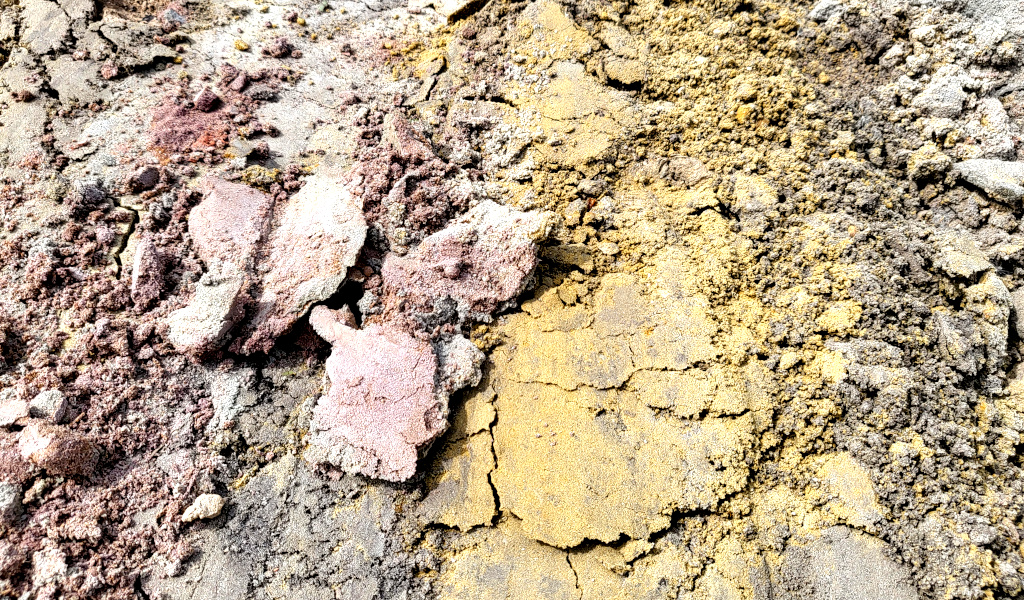
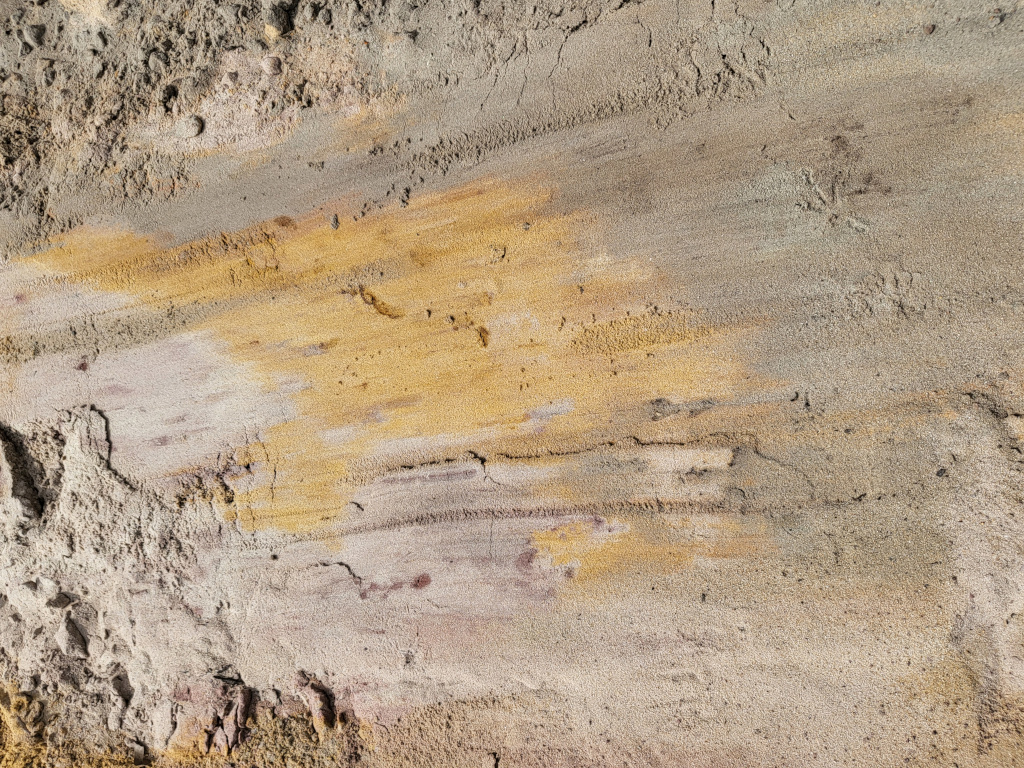
Our raw materials travel only short distances. A large proportion of the raw materials we use are extracted from clay pits located directly at the Deppe site.
Restoration of our extraction sites
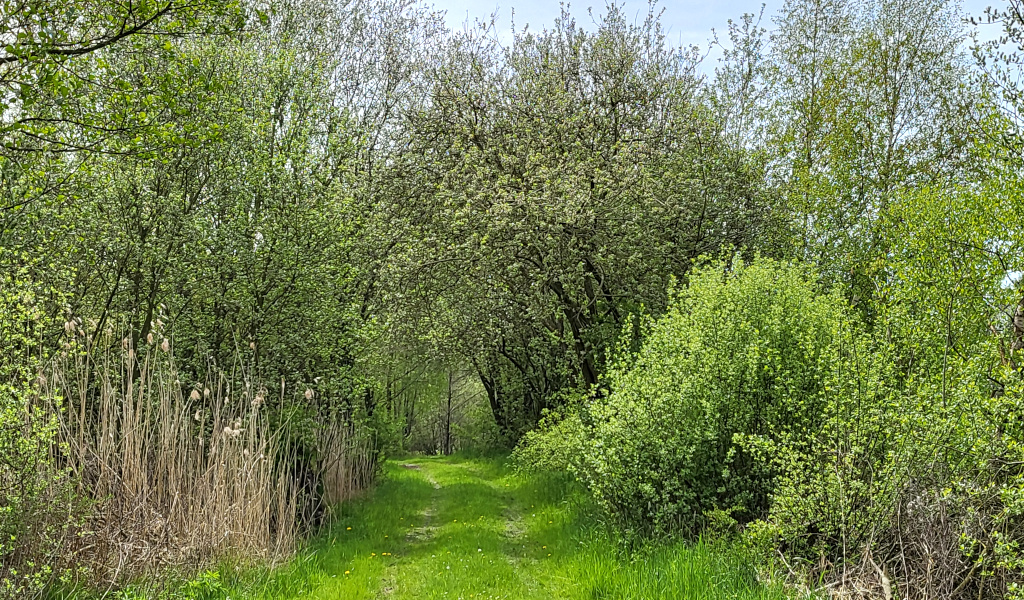
We use only small areas at any one time for clay extraction, working them progressively in individual sections. The areas we use for clay extraction were previously used for intensive agriculture. To put it plainly: our clay comes from agricultural land, not from untouched natural areas.
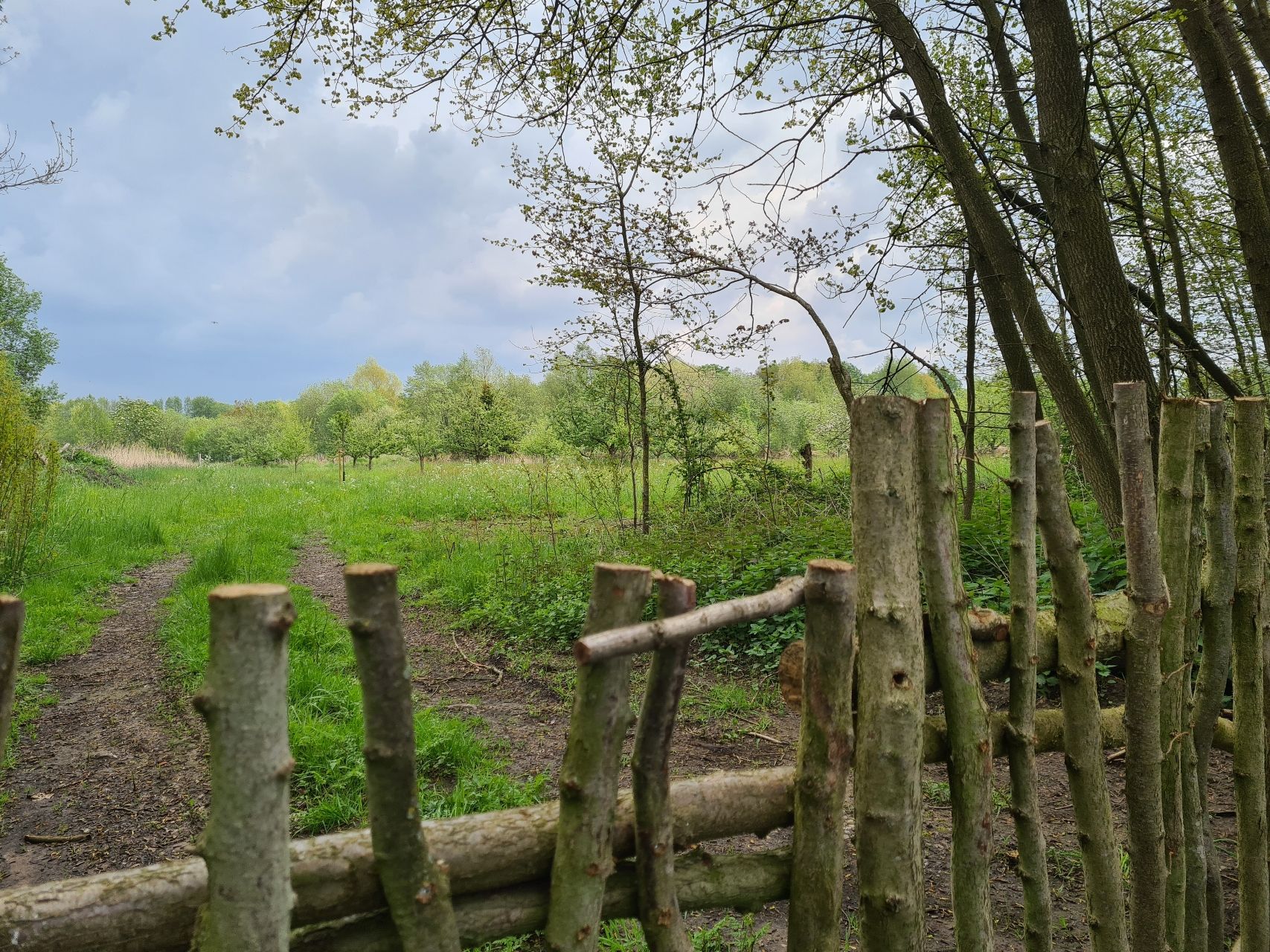
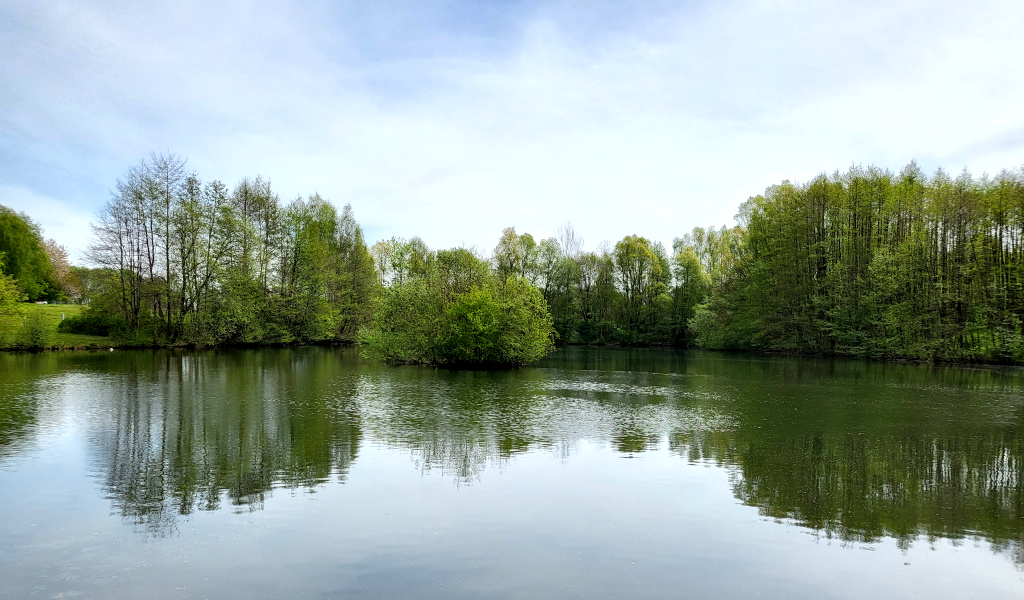
Once extraction has been completed in a particular section, the area is restored. The measures are coordinated with the responsible authorities. Around our brickworks, this has resulted in ponds, wet meadows, Benjes hedges made of dead wood, traditional orchards and wildflower meadows, providing habitats for numerous plant and animal species.
In this way, each clay extraction area is gradually returned to nature.
Reclaimed Deppe bricks
At Deppe, we also take back old Deppe bricks following an inspection to ensure that they have been sufficiently separated from other materials, with as little contamination from other building materials such as concrete as possible. We then return these bricks to our production process.
If you would like to return old Deppe bricks, please contact us on +49 5942 92100 or at info@deppe-backstein.de.
Sources:
German Brick and Tile Industry Association / INTEP Study 2025
“Bauen mit Backstein” planning tool
German Environment Agency (Umweltbundesamt) – Material Flow Management in the Construction Sector
Energy Institute Vorarlberg; German Brick and Tile Industry Association – Pollutants in Building Materials: Brick Products in Practice